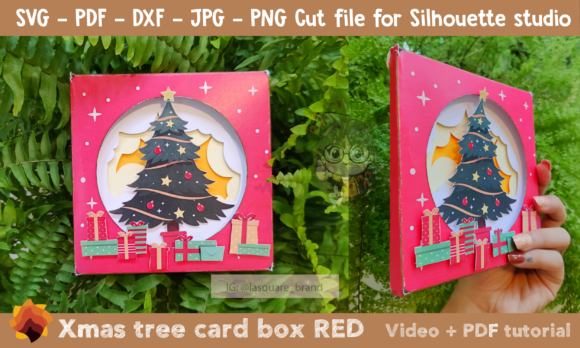
3D SVG Christmas Tree: A Bold Red Greeting Card Box
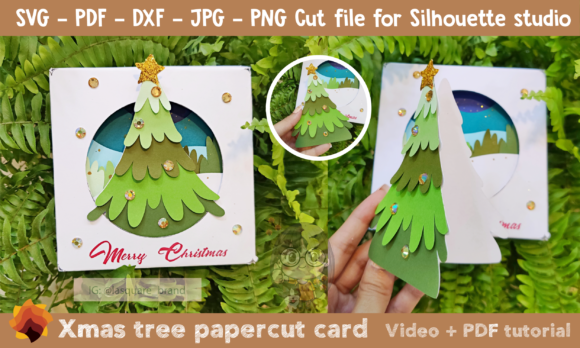
As a digital publisher who spends countless hours curating visual assets for high-traffic blogs and editorial layouts, my first impression of the Papercut Greeting Card Box Xmas Tree RED was immediate. This isn't just another seasonal clipart file; it is a robust graphic design asset that commands attention. The deep red hue combined with the intricate layering of the papercut style creates an editorial mood that is simultaneously festive and sophisticated. For content creators looking to elevate their winter publishing schedule, this design feels less like a playful doodle and more like a polished piece of modern design. It naturally supports niches focused on lifestyle, DIY crafts, holiday entertaining, and even high-end gift guides where visual trust is paramount.
The core strength of this asset lies in its versatility across the publishing workflow. When I previewed the files included in the package—specifically the PDF, SVG, DXF, JPG, and PNG formats—I immediately saw how they could transform standard blog graphics. The "One Size" designation refers to the scalable nature of the vector files, which is crucial for maintaining crisp edges on retina displays. Unlike raster images that pixelate when stretched, the 3D SVG capabilities allow this Christmas tree to scale from a tiny favicon to a massive website hero banner without losing definition. The recommendation to use the DXF format for compatibility ensures that whether you are working in Adobe Illustrator, CorelDRAW, or even importing into cutting machines for physical product photography, the fidelity remains intact.
Elevating Editorial Layouts and Click-Through Rates
In the world of content marketing, the first three seconds determine whether a reader stays or bounces. Integrating the Papercut Greeting Card Box Xmas Tree RED into your featured images can significantly strengthen that first impression. The rich red color acts as a powerful visual anchor, drawing the eye immediately to the center of the composition. I envision using this asset to create striking Pinterest pins that stand out against the sea of generic holiday snowflakes. By layering the SVG over a textured background and pairing it with bold typography, you create a clear visual hierarchy that guides the viewer's eye from the headline to the call-to-action.
For newsletter creators, this design serves as an excellent header graphic. The box-like structure of the design implies a "gift" or a "reveal," which psychologically encourages subscribers to open the email to see what's inside. When used in digital guides or eBooks as chapter dividers or cover art, the papercut aesthetic adds a tactile quality to the digital experience, making the content feel more premium. This is particularly effective for affiliate marketing pages where you are reviewing holiday decor or crafting supplies; the professional look of the asset transfers that same sense of quality to the products you are promoting.
Strategic Implementation for Brand Identity
Consistency is the backbone of strong brand identity. Using the Greeting card Christmas Tree RED across various touchpoints—from your website header to your social media story highlights—creates a cohesive seasonal theme. Because the design is available in multiple formats, including high-resolution JPGs for quick web use and vectors for custom manipulation, it adapts easily to different small business branding needs. You can recolor the layers if your brand palette requires a slight adjustment, although the original red is vibrant enough to serve as a standalone accent.
This asset shines brightest when used as a hero image or a category thumbnail. Imagine a blog category dedicated to "Holiday DIY" or "Seasonal Recipes." Placing this 3D-styled tree as the category icon instantly communicates the topic while maintaining an artistic flair. It also works exceptionally well as a decorative element in Canva templates designed for sale on creative marketplaces. Designers can purchase this as a digital download, import the SVG, and build entire suites of holiday-themed invitations, posters, or packaging labels around it.
Practical Publisher Notes and Performance Checks
Before deploying any new design assets on a live site, rigorous testing is essential. While the Papercut Greeting Card Box Xmas Tree RED is visually stunning, there are specific contexts where it requires careful handling. On small mobile thumbnails, the intricate details of the papercut layers might blur if the image is compressed too aggressively. I recommend testing the PNG version at various resolutions to ensure the fine lines remain distinct on smartphone screens. Additionally, avoid placing this asset on busy backgrounds or low-contrast surfaces; the red needs space to breathe to maintain its impact.
Typography pairing is another critical factor. This design pairs beautifully with serif fonts for a classic, editorial look, but it also holds its own against modern sans-serif fonts for a cleaner aesthetic. Avoid overly ornate script fonts that might compete with the detailed cuts of the tree. When testing for web performance, remember that while SVGs are lightweight, high-resolution PNGs can slow down page load times if not properly compressed. Always optimize your images to balance quality with speed, ensuring your web design remains responsive.
Finally, always verify the licensing terms before using this asset in commercial projects. Whether you are creating a paid printable design, a lead magnet, or a monetized blog post, confirming the commercial license status is non-negotiable. The inclusion of a tutorial PDF and video in the package is a valuable bonus, helping users understand how to manipulate the layers for maximum effect. By treating this Christmas tree not just as decoration but as a strategic tool for editorial design, publishers can create content that is not only beautiful but also drives engagement and builds lasting reader trust.