Christmas Wolf Shadow Box: A Designer's Review for Holiday Stitching
As a designer who spends more time staring at stitch maps than most people spend sleeping, I approach every new machine embroidery design with a mix of excitement and skepticism. The market is flooded with holiday motifs, but finding one that balances artistic flair with technical stability is rare. Recently, I got my hands on the Christmas Wolf Shadow Box, and after putting it through its paces on various fabrics and hoops, I'm ready to share how this 3D SVG asset translates from a digital file to a tangible, high-value handmade product.
First Impressions: Mood and Visual Personality
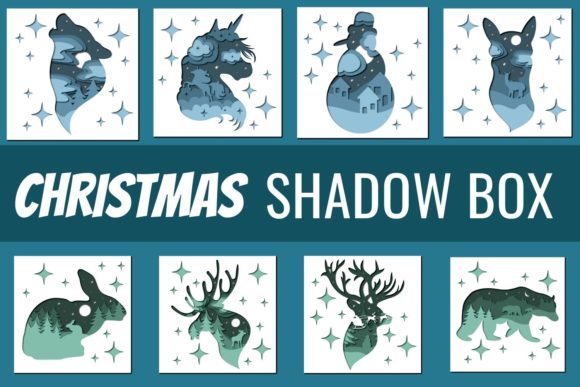
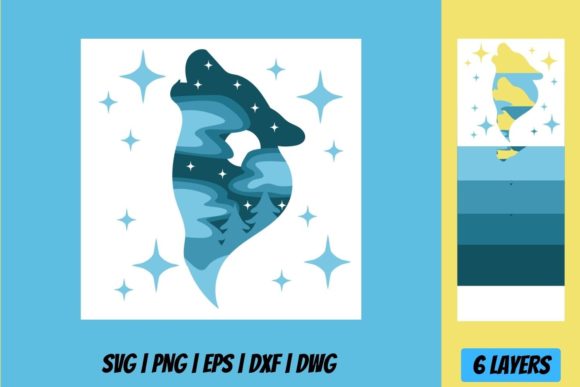
The moment you unzip the folder containing the svg, dxf, png and eps formats, the potential of the Christmas Wolf Shadow Box becomes apparent. Unlike standard flat embroidery files, this design leverages the concept of Shadow Boxes to create depth. For an embroidery purist, this usually means thinking in layers—perhaps combining appliqué techniques with dense fill stitches to mimic that boxed-in, dimensional look.
The mood is distinctly wintry yet fierce. It captures the spirit of the season without relying on the overused Santa or reindeer tropes. The wolf imagery brings a touch of wilderness and modern rustic charm, making it perfect for customers who want holiday embroidery that feels boutique rather than big-box. Visually, the layout suggests strong lines and defined shapes, which are crucial for maintaining clarity when stitched out on textured materials like towels or heavy canvas.
Real-World Application: The Custom Sweatshirt Test
To truly evaluate this embroidery project, I needed a real-life scenario. I decided to create a limited run of custom sweatshirt embroidery for a local outdoor gear shop. They wanted something that appealed to hikers and campers celebrating the holidays. The Christmas Wolf Shadow Box was the obvious choice.
I started by importing the SVG into my digitizing software to analyze the pathing, even though the file is primarily marketed for cutting machines like Cricut and Silhouette. This step is vital. When adapting a 3D SVG meant for paper crafting into a machine embroidery design, you have to consider how the "layers" translate to thread. I opted for a multi-layer applique design approach. I used a dark charcoal felt for the background layer to simulate the shadow box depth, followed by the wolf silhouette in a contrasting slate grey, and finally added festive accents in satin stitch reds and greens.
The result on the fleece sweatshirt was stunning. The layered approach gave the design the intended 3D effect without requiring complex 3D foam techniques that can sometimes look bulky. Customers at the shop were immediately drawn to the texture. It didn't look like a sticker; it looked like a crafted piece of art. This kind of visual appeal directly boosts product value and customer trust. When a buyer sees that level of detail, they understand why the price point is higher than a standard printed tee.
Versatility Across Products and Fabrics
Beyond sweatshirts, I tested the versatility of the Christmas Wolf Shadow Box on other substrates. For a tote bag design, I used heavy canvas. The sturdy fabric held the weight of the multiple layers well, creating a durable embroidered patch aesthetic that feels built to last. However, when I moved to thinner fabrics, like a cotton kitchen towel or a baby onesie for baby embroidery, caution was required.
On stretchy or thin fabrics, the density of a shadow-box-style design can cause puckering if not managed correctly. I found that using a high-quality cut-away stabilizer was non-negotiable. Without it, the weight of the overlapping elements distorted the fabric grain. For custom apparel made of jersey knits, I would recommend simplifying the design to fewer layers or using a lighter weight felt for the appliqué sections to maintain the drape of the garment.
For Etsy sellers and small shop product creators, this design shines in niche markets. It works exceptionally well for personalized gift items like pillow covers or wall hangings where the "shadow box" theme literally matches the product function. Imagine a wooden hoop frame with this design stitched onto linen behind it—the meta-commentary of a shadow box design inside a physical shadow box is a brilliant selling point for boutique branding.
Technical Considerations and Potential Pitfalls
While the Christmas Wolf Shadow Box is visually striking, there are areas where a designer must exercise care. Because this is a digital embroidery file derived from vector assets intended for cutting, the transition to stitching requires attention to stitch density. If you are digitizing this yourself based on the SVG, avoid making the fill areas too dense. High density on small details can lead to thread breaks, especially with metallic or variegated thread colors often used during the holidays.
Small hoop sizes present another challenge. The intricate nature of a shadow box layout often requires a larger workspace to accommodate the framing elements. Before committing to a production run, always confirm your hoop size compatibility. If you are working on curved surfaces like caps, the rigid structure of a shadow box design might not conform well to the brim's curve, leading to gaps or distortion. In those cases, flattening the design or removing the outer "box" border might be necessary.
Furthermore, consider the washing instructions for the finished product. Layered appliqué designs can catch on things in the wash if the edges aren't secured with a tight satin or zigzag stitch. For items like aprons or tea towels that see frequent use, reinforce those perimeter stitches. A loose thread on a wolf's ear can ruin the professional look of an otherwise perfect item.
Designer Notes for Commercial Success
If you are planning to use the Christmas Wolf Shadow Box for commercial embroidery or as part of your design assets portfolio, here is my practical advice:
- Test on Scrap First: Never skip the test stitch-out. Run the design on the exact fabric and stabilizer combination you plan to sell.
- Check Contrast: Ensure your thread colors provide enough contrast between the layers. Low contrast can make the "shadow" effect disappear, leaving a muddy mess.
- Mockup Verification: Create printable mockups in both black and white and color to see how the design holds up without the distraction of holiday hues.
- Licensing Clarity: The product description notes compatibility with Cricut and Silhouette software. If you are converting these vectors into stitch files for resale or commercial use, double-check the licensing terms. Just because you can cut it doesn't always mean you can sell the stitched version without specific commercial rights.
- Fabric Texture: Remember that fabric texture changes the outcome. A design that looks crisp on broadcloth might lose definition on bouclé or terry cloth.
In conclusion, the Christmas Wolf Shadow Box is a powerful tool for the creative entrepreneur willing to put in the technical legwork. It bridges the gap between digital crafting and traditional embroidery, offering a unique aesthetic that stands out in a crowded marketplace. Whether you are creating wedding gifts with a winter theme, stocking up for a craft fair, or expanding your Etsy listings with premium custom apparel, this design offers the versatility and visual impact needed to succeed. Just respect the mechanics of the machine, choose your materials wisely, and let the wolf howl in high-definition thread.