Panda 3D Shadow Box Template Review
As a designer who spends more time staring at stitch maps than most people care to admit, I approach every new machine embroidery design with a mix of curiosity and skepticism. We have all downloaded files that looked perfect on the screen but turned into a bird's nest of thread breaks and puckering on the hoop. So, when I got my hands on the Panda 3D Shadow Box Template, I didn't just look at the preview images; I wanted to know how this digital embroidery file would actually behave in a real-world embroidery project. This isn't just about whether it's cute; it's about whether it holds up under the needle for a paying client or a high-stakes gift.
First Impressions: Mood and Layout
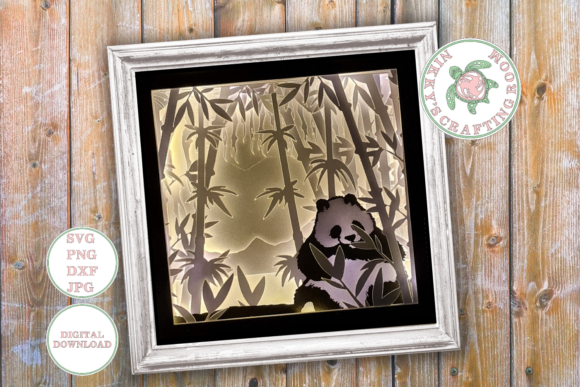
The first thing that strikes you about the Panda 3D Shadow Box Template is its structural clarity. Unlike many flat vector designs that rely solely on color fills, this template is built with depth in mind. The "shadow box" aesthetic suggests a layered approach, which is fantastic for creating visual interest without over-complicating the stitch count. The mood is playful yet sophisticated, making it versatile enough for a nursery setting or a trendy boutique apparel line.
The layout feels intentional. The grouping of layers in the SVG format is a massive time-saver. As someone who has spent hours ungrouping and regrouping elements in design software, finding a file where the 3D SVG layers are pre-organized allows me to focus on scaling and placement rather than file cleanup. The visual personality of the panda is friendly and approachable, avoiding the uncanny valley that some animal digitizations fall into. It feels like a design that invites touch, which is crucial for items like baby blankets or soft toys.
Real-World Application: From Screen to Stitch
To truly test the viability of this design, I imagined a specific scenario: a custom order for a local boutique needing a run of branded tote bag designs. The client wanted something that stood out but wasn't so dense that it weighed down the canvas fabric. The Panda 3D Shadow Box Template fits this brief perfectly. Because the design relies on the shadow box concept, it creates an illusion of depth that looks premium on a simple tote.
I also considered how this would translate to sweatshirt embroidery. On heavier fleece or French terry, the layers of this design would sit beautifully on top of the fabric texture. The separation between the foreground panda and the background elements allows the fabric to breathe, reducing the risk of that stiff, cardboard-like feel that customers dislike in custom apparel. For an Etsy seller looking to expand their product line, this design could easily be adapted for holiday embroidery projects, perhaps by swapping thread colors for seasonal themes while keeping the core structure intact.
For those running a craft business, the adaptability of this file is key. Whether you are making an embroidered patch to iron onto denim jackets or creating a centerpiece for a personalized gift like a pillow cover, the scalable nature of the SVG ensures you aren't losing resolution. The one-click upload format mentioned in the file description is a genuine benefit for high-volume producers who need to get designs from the computer to the machine quickly.
Technical Considerations and Fabric Choices
While the design is strong, practical application requires caution. When working with Shadow Boxes styles, the interaction between layers is critical. If you are stitching this on a stretchy fabric like a jersey knit t-shirt, you must pay close attention to your stabilizer choice. A cut-away stabilizer is likely necessary to support the multiple layers and prevent distortion over time, especially if the finished product will be washed frequently.
Small hoop sizes present another challenge. Depending on the final dimensions you choose for the Panda 3D Shadow Box Template, you might find yourself bumping against the limits of a 4x4 hoop. Always measure your intended placement area before hooping. Furthermore, if you plan to use this on dark fabrics, you need to evaluate the thread colors carefully. The shadow effect relies on contrast; if the background layer blends too much with the garment color, the 3D effect vanishes. Testing a sample on black or navy fabric is highly recommended before committing to a full production run.
Textured fabrics can also be tricky. While the design looks great on smooth cotton or polyester blends, heavy textures like waffle weave or thick wool might obscure the finer details of the panda's features. In these cases, a denser fill stitch might be needed, or you may need to increase the size of the design to maintain clarity. Always inspect small details like the eyes and nose; if these areas are too small relative to the overall size, they might become muddy blobs of thread.
Enhancing Brand Value and Customer Trust
In the world of handmade goods, presentation is everything. Using a well-structured design like the Panda 3D Shadow Box Template elevates the perceived value of your handmade product. Customers can tell the difference between a sloppy, pixelated image converted to stitches and a purpose-built applique design or layered vector. This level of professionalism builds trust. When a customer receives a baby embroidery item or a wedding gift that looks crisp and deliberate, they are more likely to return for future purchases or recommend your small shop product to friends.
Consistency is also vital for branding. If you are using this design across multiple items—say, a matching set of aprons and tea towels—the ability to resize the SVG while keeping layers grouped ensures that the proportions remain consistent. This consistency helps in creating recognizable design assets for your brand. Additionally, for those creating printable mockups to sell digital products or preview physical goods online, the clean lines of this template render exceptionally well in photos, boosting buyer engagement on platforms like Etsy or Instagram.
Practical Notes for the Professional Maker
Before you start stitching, here are a few essential steps to ensure success with the Panda 3D Shadow Box Template:
- Test on Scrap Fabric: Never skip this step. Stitch the design on a scrap piece of the exact fabric you intend to use for the final item to check for puckering or registration issues.
- Check Thread Contrast: Ensure there is enough contrast between the different layers to achieve the desired shadow box effect, especially on colored garments.
- Review Stitch Density: While the file format is optimized, always review the density in your embroidery software. You may need to adjust pull compensation for stretchy fabrics.
- Confirm Hoop Size: Verify that your chosen size fits within your machine's hoop capabilities without requiring excessive re-hooping.
- Inspect Small Details: Zoom in on the digital file to ensure tiny elements like claws or facial features are large enough to stitch cleanly.
- Mockup Testing: Create black and white mockups to see how the design reads without color reliance; this helps identify potential visibility issues.
- Licensing Verification: Since the product description mentions a zipped file with various formats, always confirm the specific licensing terms regarding commercial use before selling finished items or digital derivatives.
The Panda 3D Shadow Box Template is a solid addition to any designer's library. It bridges the gap between whimsical character art and structured, professional layout. By understanding its strengths and respecting its technical requirements, you can create stunning commercial embroidery pieces that resonate with customers and stand the test of time. Just remember, the magic happens not just in the download, but in the careful preparation and execution on the machine.